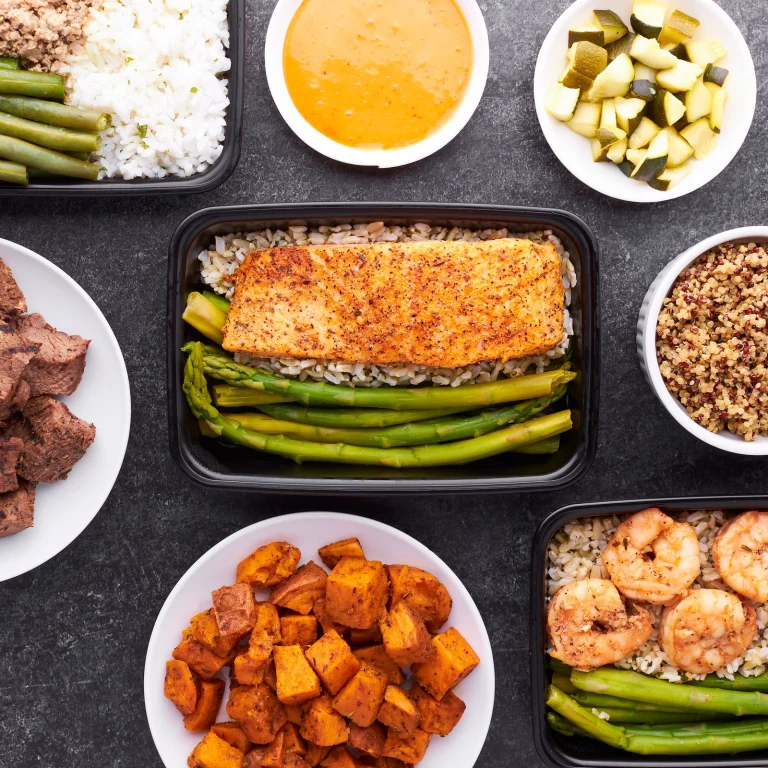
The first keto grocery trip is usually the most confusing one. You walk past the bread aisle, slow down at the yogurt, pick up a “keto” snack bar, put it back, and leave with eggs, cheese and a vague sense of panic.
This list fixes that. It covers the staples that make low-carb cooking easy, how to read labels while you shop, and where Walmart and Costco each make the most sense. Everything here is available at regular US supermarkets — no specialty stores required.
In this article
Three rules that make keto shopping simple
1. Build your cart around whole foods. Meat, fish, eggs, dairy, non-starchy vegetables, nuts and fats need very little label reading. The more processed a product is, the more carefully you’ll need to check it.
2. Read the label, not the front of the box. “Keto,” “low-carb” and “sugar-free” aren’t standardized promises. Flip the package and check the Nutrition Facts panel: total carbohydrates, dietary fiber, added sugars and — most importantly — the serving size.
3. Know your net carbs. Most keto plans track net carbs (total carbs minus fiber). If that’s new to you, our guide to calculating net carbs walks through real labels.
Protein
Protein is the anchor of most low-carb meals. Buy a mix of quick-cooking cuts and things you can batch-cook.
- Eggs — the cheapest high-quality protein in the store. Buy the large packs.
- Ground beef or turkey — 80/20 or 85/15 ground beef is flavorful and versatile.
- Chicken thighs — juicier and usually cheaper than breasts; hard to overcook.
- Pork shoulder or pork chops — great for slow cooker or sheet-pan meals.
- Bacon and sausage — check labels for added sugar; aim for 1 gram of carbs or less per serving.
- Canned tuna, salmon and sardines — shelf-stable lunches.
- Frozen salmon fillets and shrimp — thaw overnight in the fridge for fast dinners.
- Rotisserie chicken — a huge time-saver; check the ingredients, as some seasonings include sugar or starch.
Dairy and fats
Fats make low-carb food taste good and keep you full. Dairy can be a big part of keto, but some products carry more carbs than you’d expect.
| Item | Typical net carbs | Notes |
|---|---|---|
| Butter | 0 g per tbsp | Salted or unsalted |
| Block cheese (cheddar, mozzarella) | 0–1 g per oz | Shredded cheese may contain anti-caking starch |
| Cream cheese | ~1 g per oz | Full-fat has fewer carbs than “light” |
| Heavy cream | ~0.4 g per tbsp | Not the same as half-and-half (~0.6 g per tbsp, adds up fast) |
| Sour cream | ~1 g per 2 tbsp | Full-fat |
| Plain Greek yogurt | ~3–5 g per ½ cup | Must be plain and full-fat; flavored versions are much higher |
| Olive oil, avocado oil | 0 g | Avocado oil handles higher heat |
| Mayonnaise | 0 g per tbsp | Check for added sugar |
Tip: grate your own cheese from blocks. It melts better, often costs less per ounce and avoids the starch coating on many pre-shredded bags.
Vegetables
Focus on non-starchy vegetables — roughly speaking, the ones that grow above ground. Leafy greens are almost “free,” while bell peppers and onions are worth measuring.
| Vegetable (1 cup, raw) | Approx. net carbs |
|---|---|
| Spinach | ~0.5 g |
| Mushrooms, sliced | ~1.5 g |
| Asparagus | ~2.5 g |
| Zucchini, chopped | ~2.5 g |
| Cabbage, chopped | ~3 g |
| Cauliflower, chopped | ~3 g |
| Broccoli, chopped | ~3.5 g |
| Green beans | ~4 g |
| Green bell pepper, chopped | ~4.5 g |
Estimates based on USDA FoodData Central; values vary with size and variety.
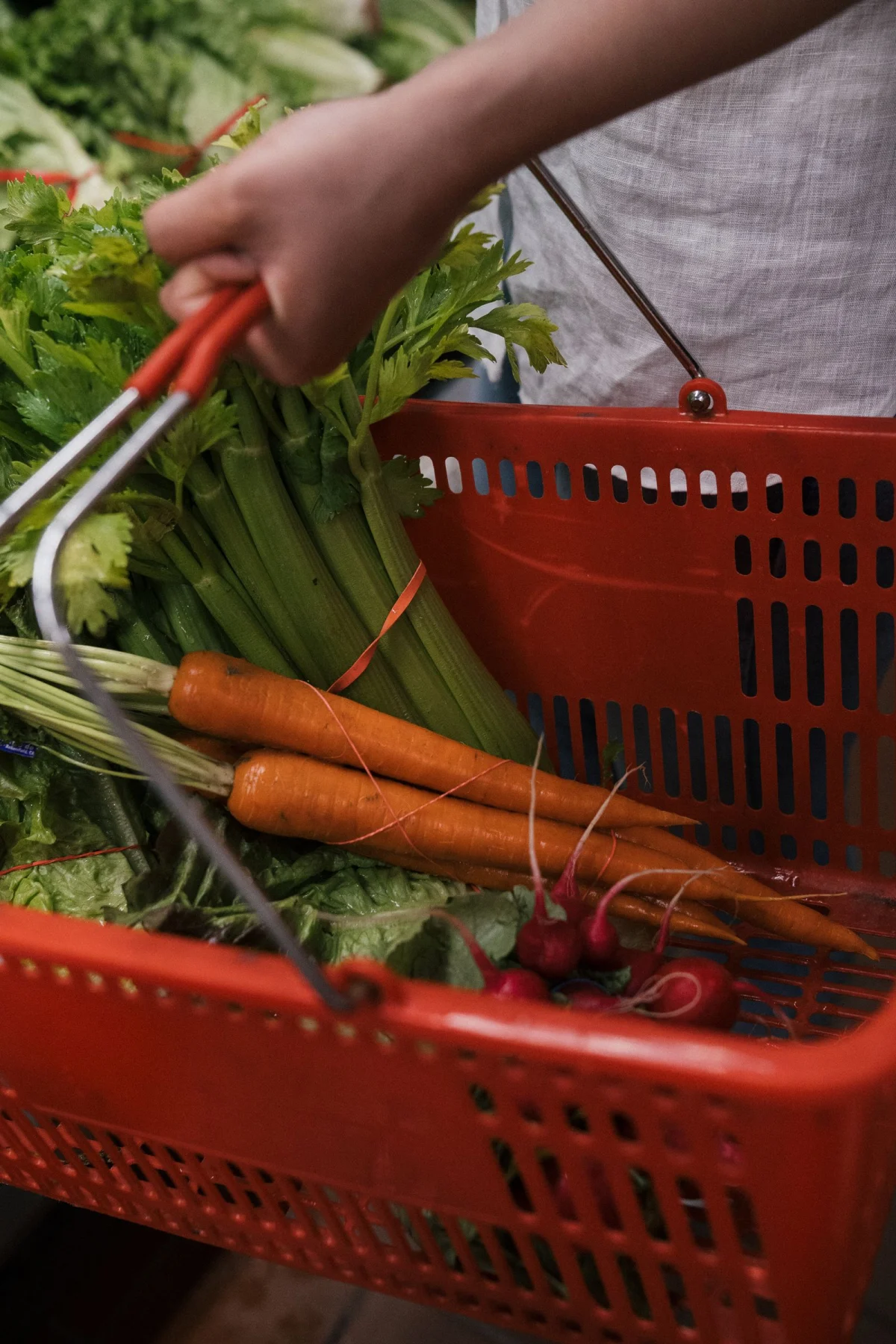
Don’t skip frozen. Frozen riced cauliflower, broccoli florets, spinach and green beans are picked at peak ripeness, last for months and cost less than fresh at both stores. Riced cauliflower in particular saves a lot of chopping.
Avocados deserve their own line: half an avocado has only about 2 grams of net carbs and a lot of fiber and potassium. Buy a mix of ripe and firm ones so they don’t all ripen at once.
Pantry and snacks
- Nuts: almonds, pecans, walnuts and macadamias. Cashews and pistachios are higher in carbs, so portion them.
- Seeds: chia, ground flaxseed and hemp hearts for puddings, “oatmeal” and baking.
- Almond flour and coconut flour for low-carb baking.
- Olives, pickles and sauerkraut — check pickles for added sugar (avoid “bread and butter” styles).
- Pork rinds — a crunchy swap for chips or breadcrumbs.
- Broth or bone broth — for soups and for extra sodium in the first weeks.
- Spices and condiments: mustard, hot sauce, vinegar, soy sauce or coconut aminos (check carbs), and plenty of salt.
- Sweetener if you want one: erythritol, allulose, monk fruit or stevia.
- Dark chocolate with 85% cocoa or more, in small amounts.
- Natural nut butter with no added sugar.
What to skip or limit
Some foods are obvious — bread, pasta, rice, cereal, potatoes, juice and soda. These are less obvious:
- Sauces and dressings. Ketchup, barbecue sauce, teriyaki and many bottled dressings contain a lot of sugar. Ranch, Caesar, blue cheese and oil-and-vinegar dressings are usually lower — but check.
- Low-fat products. When fat is removed, sugar or starch often replaces it.
- “Keto” snacks. Some are great; others use fillers that raise blood sugar or upset your stomach. Treat them as occasional convenience foods, not staples.
- Most fruit. Berries in small portions work; bananas, grapes, mangoes and dried fruit are very high in sugar.
- Milk. One cup of 2% milk has about 12 grams of carbs. Unsweetened almond or coconut milk is a common swap.
Walmart vs Costco: where to buy what
Both stores are great for keto shoppers. The best choice depends on how many people you’re feeding and how much freezer space you have.
| Walmart | Costco | |
|---|---|---|
| Best for | Smaller households, variety, trying new products | Bulk staples, families, batch cooking |
| Standout buys | Store-brand (Great Value) eggs, butter, cheese, frozen vegetables and riced cauliflower | Eggs, ground beef, chicken thighs, frozen salmon, nuts, cheese, avocado oil, almond flour |
| Watch out for | Impulse “keto” snacks near checkout | Buying more fresh produce than you can use |
| Extras | Easy online pickup and delivery | Rotisserie chicken; Kirkland Signature staples |
A practical split: buy proteins, nuts, oils and cheese in bulk at Costco once or twice a month, then top up fresh vegetables, dairy and smaller items weekly at Walmart.
Freezer math: a big pack of ground beef or chicken thighs is only a deal if you use it. Portion it into meal-sized bags as soon as you get home, flatten them and freeze. They thaw faster and stack neatly.
A starter list for your first week
If you just want to know what to put in the cart, start here. It covers about a week of simple meals for one or two people.
- 2 dozen eggs
- 2 lb ground beef and 3 lb chicken thighs
- 1 pack bacon or breakfast sausage
- 1 rotisserie chicken
- 2 cans tuna or salmon
- Butter, block cheddar, cream cheese, heavy cream
- Olive oil or avocado oil, mayonnaise
- 1 large bag spinach, 1 head cauliflower (or 2 bags frozen riced cauliflower)
- Broccoli, zucchini, mushrooms, 3–4 avocados
- Almonds or pecans, chia seeds
- Broth, mustard, hot sauce, salt and your favorite spices
For a plan that uses most of this list, see our 7-day keto meal plan for busy people.
Frequently asked questions
Is keto more expensive than a regular diet?
It can be if you rely on specialty products. Built around eggs, ground meat, chicken thighs, frozen vegetables and store-brand dairy, it’s often comparable to a typical grocery budget.
Do I need to buy organic or grass-fed?
No. They’re personal choices that can fit your values or taste, but conventional meat, eggs and vegetables work perfectly well for a low-carb diet.
Which fruits can I eat on keto?
Small portions of berries — especially raspberries and blackberries — fit most keto plans. Avocado, olives, tomatoes and lemons are technically fruits and are low in carbs too.
What’s the easiest way to cut grocery costs?
Buy proteins in bulk and freeze them in portions, choose frozen vegetables, pick store brands, and plan meals around what’s on sale that week.
The bottom line
Keto shopping gets easy once you stop looking for substitutes and start filling your cart with simple foods: protein, fats, vegetables and a few pantry staples. Read labels on anything processed, buy bulk only what you’ll actually use, and keep frozen vegetables on hand for busy nights.
Before making big changes to your diet — especially if you take medication for diabetes or blood pressure — check with your doctor.